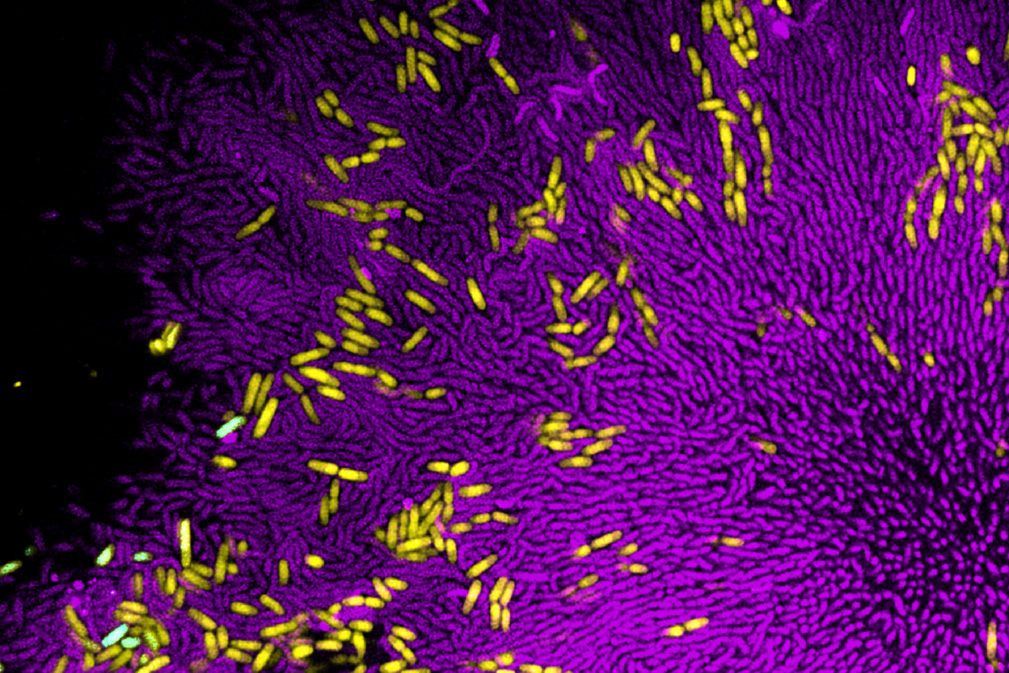
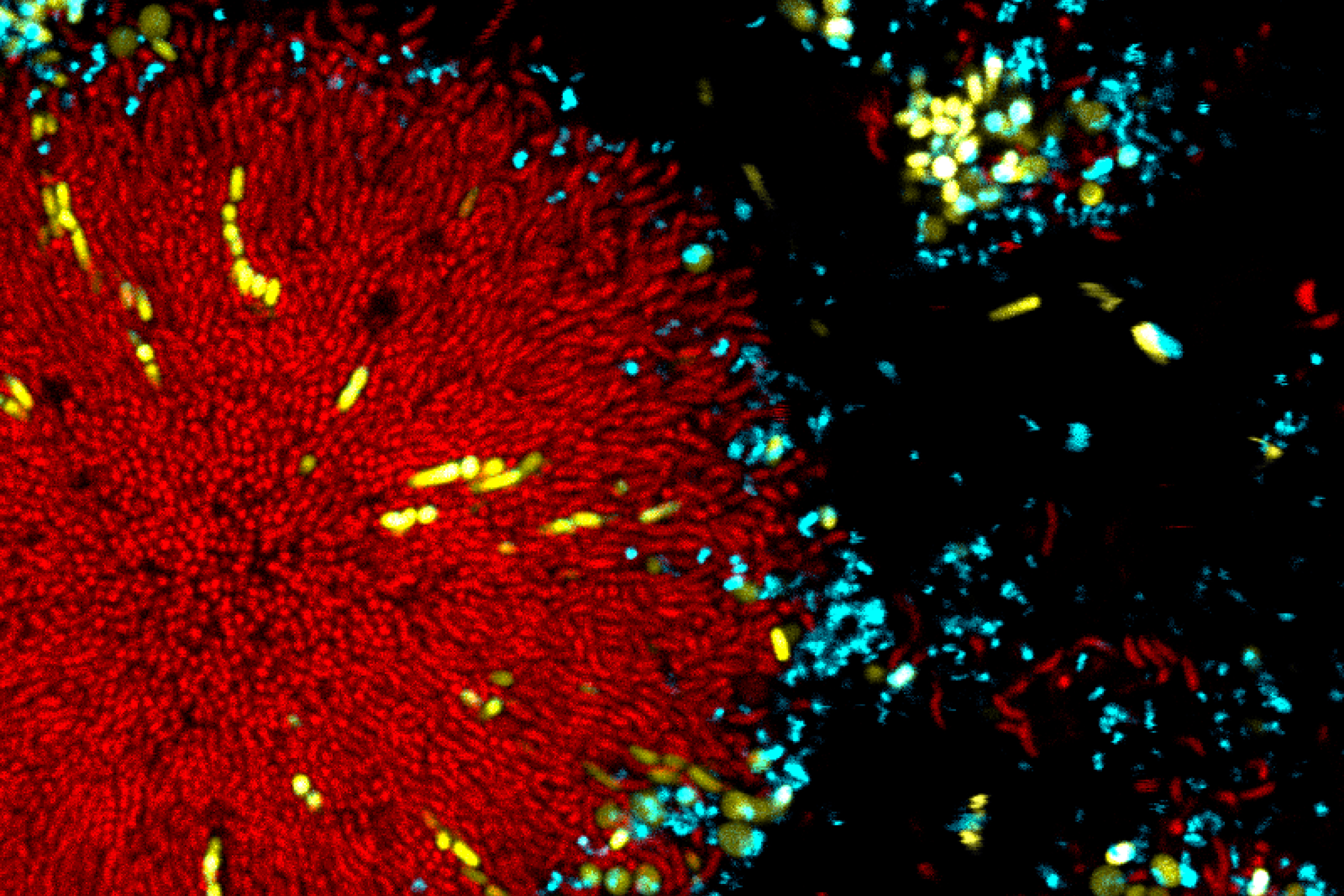
My research applies the principles of ecology to understand how microbial communities form, compete, and persist within host environments. The central thesis driving my work is that infection is fundamentally an ecological phenomenon — shaped not just by the intrinsic properties of individual cells, but by the spatial architecture those cells create as they grow together in structured communities called biofilms.
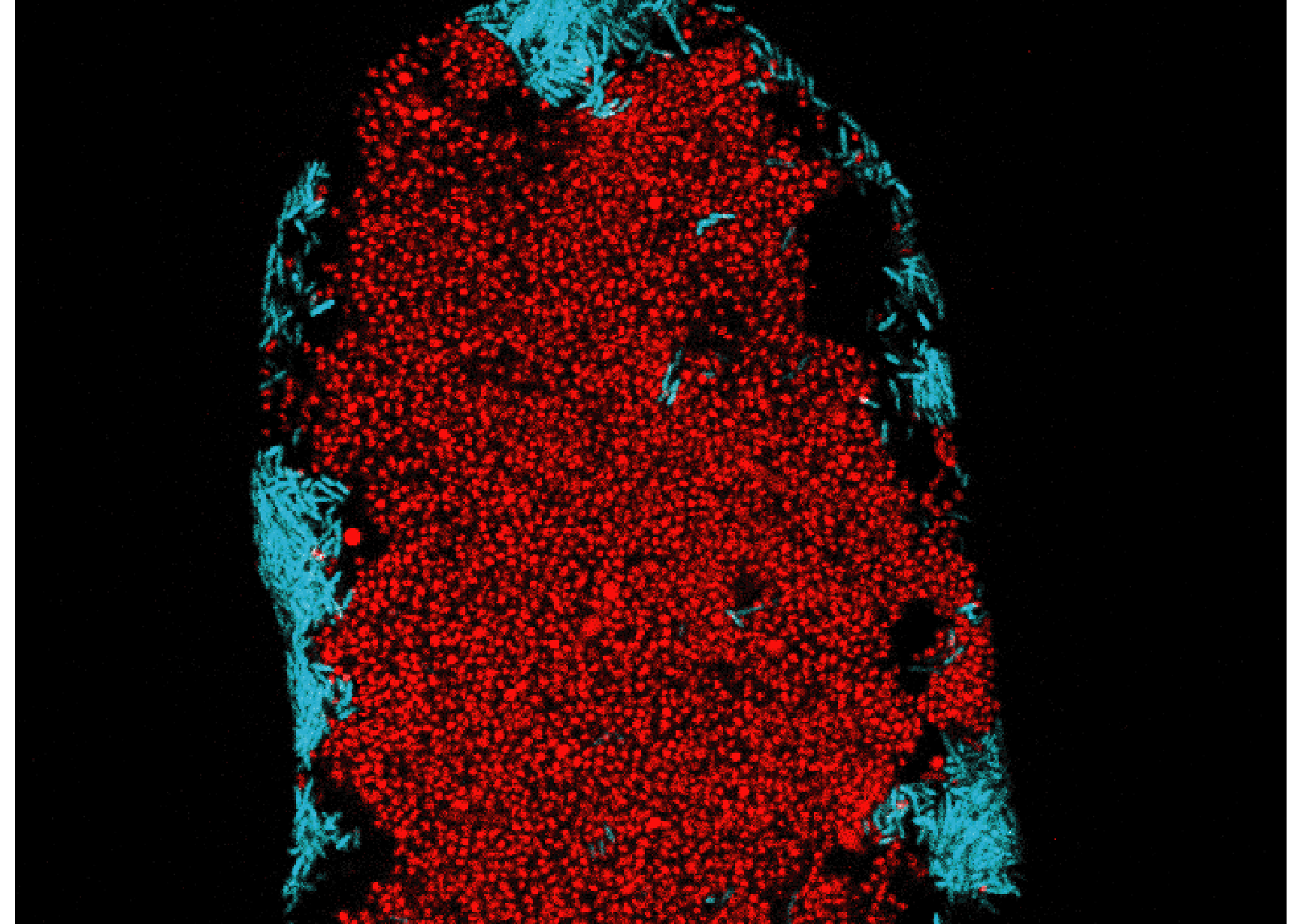
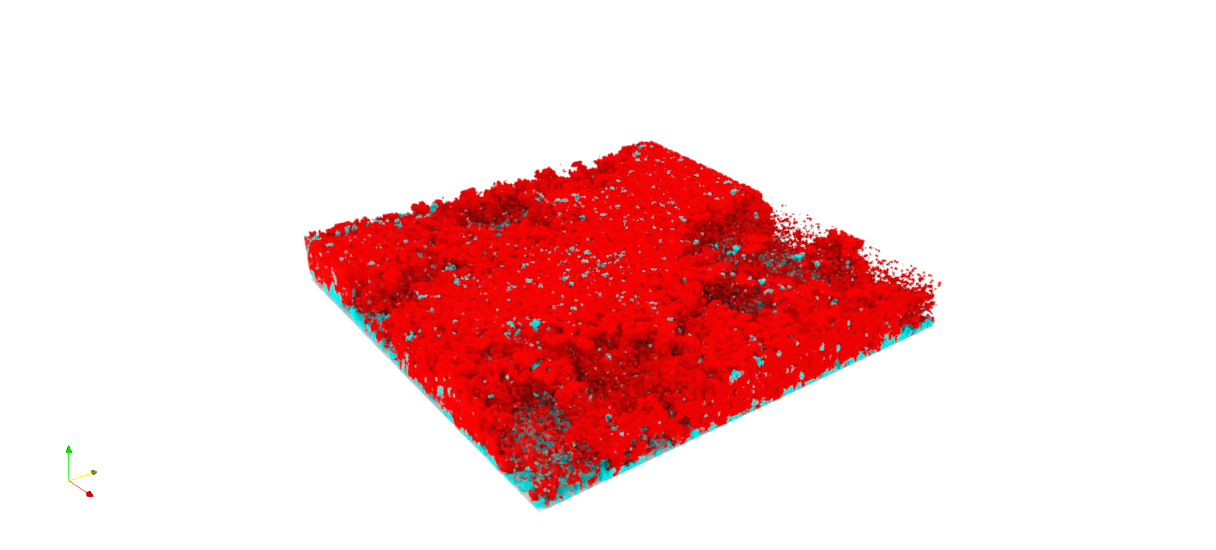
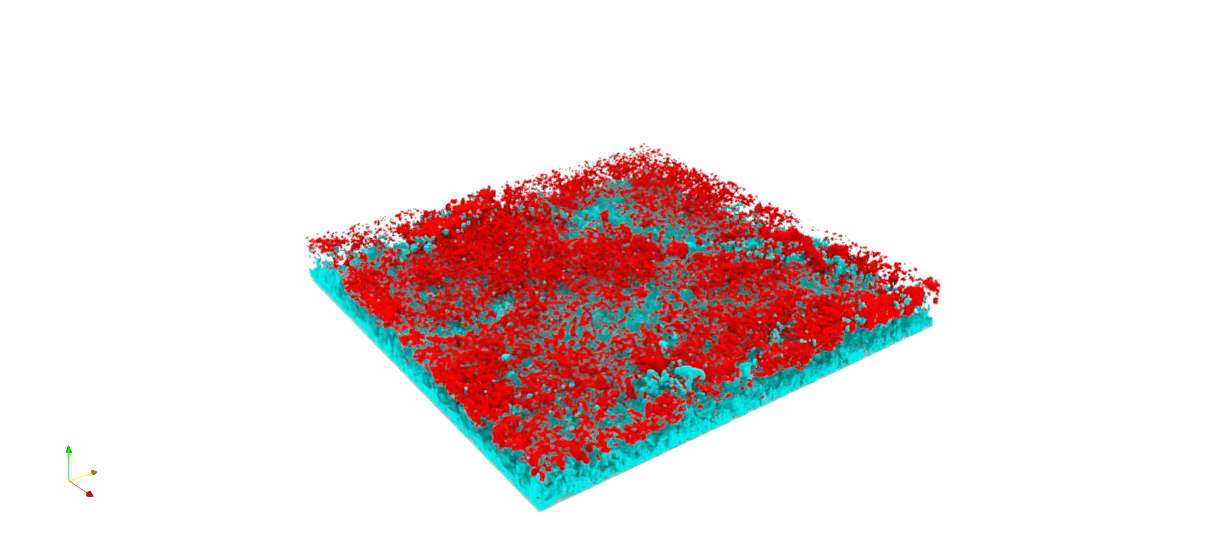
During my doctoral training at Dartmouth College in the laboratory of Carey Nadell, I established that the three-dimensional organization of bacterial biofilms is a primary determinant of ecological outcome. Using single-cell confocal microscopy and quantitative image analysis, I demonstrated that a community's physical structure — how tightly cells are packed, how clonal lineages are spatially arranged, how space is partitioned between cohabiting species — governs susceptibility to predatory bacteria and bacteriophage. These findings reframed biofilm matrix production not merely as a chemical shield, but as an architectural strategy with profound population-level consequences.
As a postdoctoral fellow at Memorial Sloan Kettering Cancer Center in the Xavier laboratory, I have expanded this ecological framework from in vitro biofilm communities to the complex chemical environment of the infected host. My current work investigates how the metabolic activities of gut commensal bacteria reshape the local environment in ways that directly alter the colonization dynamics and antibiotic sensitivity of opportunistic pathogens such as Pseudomonas aeruginosa. This line of research establishes that host-associated microbial communities actively sculpt the conditions under which pathogens establish infection — adding a new ecological and metabolic dimension to our understanding of treatment failure and resistance.
My goal is to build a research program that uses ecological principles as a framework for understanding polymicrobial infection — and translating those insights into better treatment outcomes. The central premise is that micrometer-scale ecological interactions among co-infecting species are primary determinants of disease severity, antibiotic tolerance, and treatment failure. By integrating clinical microbiome data with quantitative single-cell imaging systems, my laboratory will resolve the spatial and metabolic ecology of multispecies infections at the resolution of individual cells within the host environment. This mechanistic clarity — connecting community-level ecological dynamics directly to treatment response — will transform how we think about polymicrobial disease and open new ecological angles for therapeutic intervention.